
Navigating Planning Permission for Garden Buildings
Adding a garden building to your outdoor space can be a fantastic way to increase your home's functionality and charm. Whether you want a cosy summerhouse, a practical shed, or a stylish home office, understanding the rules around planning permission is essential. It can feel a bit daunting at first, but with the right guidance, you can navigate the process smoothly and confidently.
Understanding Planning Permission for Garden Buildings
Planning permission is a legal requirement in many cases when you want to build or alter structures on your property. For garden buildings, the rules can vary depending on the size, location, and purpose of the structure. The good news is that many garden buildings fall under "permitted development," meaning you might not need formal permission.
However, it’s important to check the specific regulations that apply to your property. For example, if your home is in a conservation area or is a listed building, the rules are stricter. Also, if your garden building is very large or close to boundaries, you may need to apply for planning permission.
Here are some key points to consider:
Size limits: Most garden buildings must not exceed 2.5 metres in height if they are within 2 metres of a boundary.
Use: The building should be for purposes incidental to the enjoyment of your home, such as storage, leisure, or workspace.
Location: Buildings should not cover more than 50% of your garden area.
Design: The structure should not negatively impact the appearance of your property or the neighbourhood.
If you’re unsure, it’s always best to contact your local planning authority or consult a professional. This can save you time and avoid potential legal issues later.
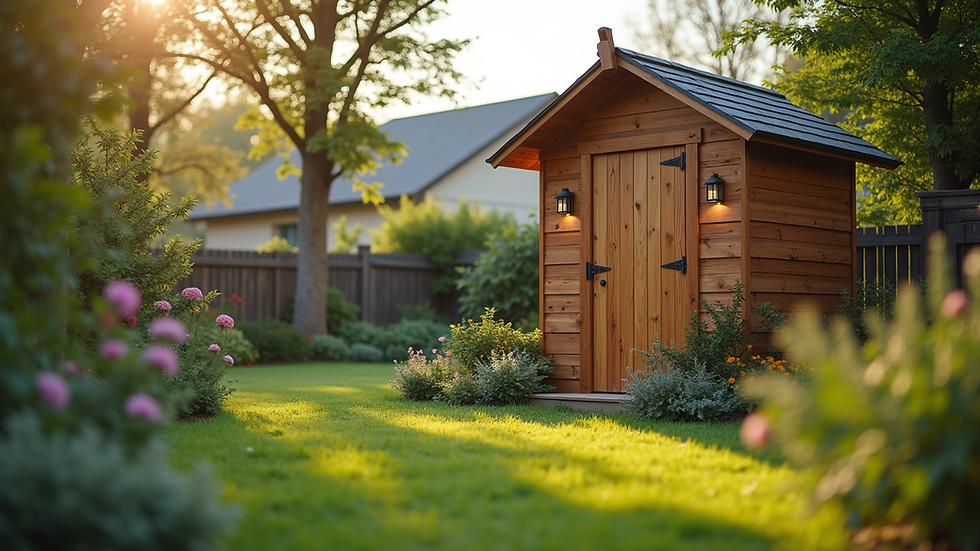
How to Apply for Planning Permission for Garden Buildings
If your garden building does require planning permission, the application process is straightforward but requires attention to detail. Here’s a step-by-step guide to help you through:
Check local rules: Visit your local council’s website or planning office to understand the specific requirements for your area.
Prepare your plans: You’ll need detailed drawings of the proposed building, including dimensions, materials, and location on your property.
Complete the application form: This can often be done online. Be honest and thorough in your descriptions.
Submit supporting documents: These might include site plans, photographs, and any necessary reports.
Pay the fee: There is usually a fee for submitting a planning application.
Wait for a decision: The council typically responds within 8 weeks. They may approve, reject, or request modifications.
During this time, neighbours and other interested parties may be invited to comment. It’s a good idea to inform your neighbours beforehand to avoid surprises.
If your application is approved, you can proceed with building. If it’s refused, you can appeal or adjust your plans and reapply.

What is the 4 Year Rule for Sheds?
One important rule to know is the "4 year rule" for sheds and other garden buildings. This rule means that if a building has been in place for more than four years without planning permission, it may be considered lawful and not require retrospective permission.
Here’s how it works:
The building must have been continuously in place for at least four years.
It should not have been built without permission in a way that breaches other regulations.
You can apply for a "Certificate of Lawfulness" to confirm this status officially.
This rule can be helpful if you have an existing garden building and are unsure about its planning status. However, it’s important to get professional advice before assuming your building is lawful. If the council finds that the building does not meet the criteria, you may be asked to remove it or apply for permission.
Tips for Designing Your Garden Building Within Planning Rules
Designing your garden building with planning rules in mind can save you a lot of hassle. Here are some practical tips to keep your project on track:
Keep it modest: Smaller buildings are less likely to need permission.
Choose the right location: Position your building away from boundaries and avoid blocking neighbours’ views.
Use sympathetic materials: Wood and natural finishes often blend better with gardens and are more acceptable.
Consider the roof height: A lower roof reduces the chance of needing permission.
Plan for future use: Think about how you might want to use the building later, but keep it within the permitted uses.
By planning carefully, you can create a garden building that enhances your outdoor space and complies with regulations.
Moving Forward with Confidence
Navigating the rules around garden buildings can seem complex, but it doesn’t have to be overwhelming. By understanding the basics of planning permission, knowing when you need to apply, and designing thoughtfully, you can create a beautiful and functional garden space.
If you want to learn more or need help with your project, consider reaching out to local experts who understand the specific requirements in Stockport, Greater Manchester, and Cheshire. They can guide you through the process and help you avoid common pitfalls.
For detailed guidance on garden building planning permission, the Planning Portal is a great resource. It offers clear information and tools to help you check if your project needs permission.
With the right approach, your garden building can be a wonderful addition that adds value and enjoyment to your home for years to come.


Comments